2026-02-09 Seed Banks and Biodiversity: Safeguarding Our Food Future
Seed Banks and Biodiversity: Safeguarding Our Food Future
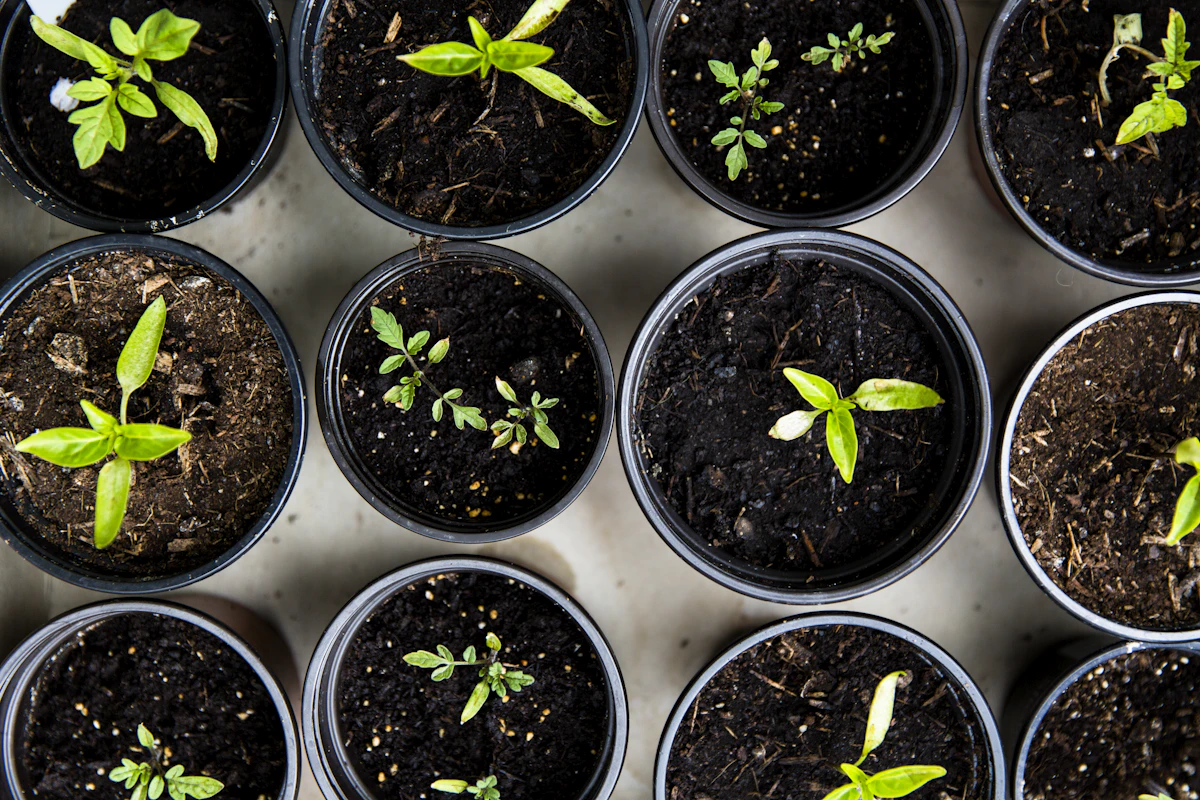
Deep inside a mountain on a remote Arctic archipelago, millions of seeds rest in frozen vaults at negative eighteen degrees Celsius, preserved against catastrophe. Thousands of miles away, in a small-town public library in the American Midwest, a gardener checks out a packet of tomato seeds with a promise to save seeds from her harvest and return them at season’s end. On a terraced hillside in Peru, a Quechua farmer tends dozens of potato varieties that her ancestors developed over millennia, each one adapted to a slightly different altitude, soil type, and moisture condition. These three scenes, separated by vast distances and circumstances, are connected by a single urgent imperative: the preservation of the genetic diversity that makes our food supply resilient, adaptable, and secure. At the Rissover Foundation, we support seed preservation efforts at every scale, from global vaults to backyard gardens, recognizing that the diversity contained in seeds is the foundation upon which all food security ultimately rests.
The Biodiversity Crisis in Agriculture
The diversity of crops grown worldwide has collapsed dramatically over the past century. Of the roughly 30,000 plant species that humans have cultivated for food throughout history, just 30 crops now provide 95 percent of the calories consumed globally. Three crops alone, rice, wheat, and maize, account for more than half of all calories. This extreme narrowing of the agricultural base represents one of the most consequential and least discussed environmental crises of our time.
Within individual crops, variety loss has been equally severe. In the United States, an estimated 93 percent of the seed varieties commercially available in 1903 had vanished by 1983. The thousands of apple varieties grown by American farmers in the nineteenth century have been reduced to a handful of commercial cultivars selected for appearance and shelf life rather than flavor, nutrition, or climate adaptation.
This loss matters because genetic diversity is the raw material of adaptation. Each variety of a crop carries unique combinations of genes that confer resistance to specific pests, tolerance of particular soil conditions, adaptability to certain rainfall patterns, or nutritional profiles suited to specific dietary needs. When a variety disappears, those genetic combinations are lost forever, along with whatever future value they might have provided.
The causes of crop diversity loss are well understood. Industrial agriculture favors uniformity because monocultures are easier to plant, manage, and harvest with mechanized equipment. Global seed markets concentrate on a small number of high-yielding varieties bred for optimal performance under ideal conditions with heavy inputs of fertilizer, pesticides, and irrigation. Intellectual property laws incentivize the development of proprietary varieties while discouraging the saving and sharing of open-pollinated seeds.
Climate change adds urgency to the biodiversity crisis because the crops best adapted to current conditions may be poorly suited to the conditions expected in coming decades. Rising temperatures, shifting rainfall patterns, new pest pressures, and increased frequency of extreme weather events will demand crop varieties with traits that exist only in the diverse genetic heritage that is rapidly being lost.
Global Seed Vaults: Insurance Against Catastrophe
Global seed banks serve as repositories of last resort, preserving samples of crop genetic diversity in controlled conditions that can maintain seed viability for decades or centuries. These facilities represent humanity’s most deliberate effort to safeguard the biological foundation of agriculture against natural disasters, conflict, and the gradual erosion of diversity in farmers’ fields.
The Svalbard Global Seed Vault, opened in 2008 on the Norwegian archipelago of Spitsbergen, functions as a backup for the world’s approximately 1,700 gene banks. Carved into permafrost-cooled rock, the vault holds more than one million seed samples from virtually every country on earth. It operates on the principle that no single institution or nation can be trusted to maintain seed diversity in perpetuity; a globally distributed system with a central backup provides the greatest resilience.
National gene banks maintained by governmental agricultural research institutions preserve the crop diversity most relevant to their regions while conducting research on seed biology, conservation techniques, and genetic characterization. These institutions face chronic underfunding, staffing shortages, and infrastructure challenges that threaten their ability to maintain collections in viable condition. Several gene banks have lost irreplaceable samples due to equipment failures, power outages, or conflict.
The Consultative Group on International Agricultural Research maintains a network of gene banks holding collections of the world’s most important food crops. These centers conduct research that makes stored diversity available to plant breeders worldwide, developing new varieties that incorporate disease resistance, drought tolerance, and nutritional improvements drawn from gene bank collections.
Regeneration, the process of growing out stored seeds to produce fresh seed for continued storage, is one of the most resource-intensive and critical activities in gene bank management. Seeds lose viability over time even under optimal storage conditions, and unless they are periodically grown out and fresh seed collected, stored samples will eventually die. Regeneration must be done carefully to maintain genetic integrity, requiring isolation from other varieties and adequate population sizes to prevent genetic drift.
Characterization and evaluation of gene bank collections determine how useful stored diversity can be. Simply storing seeds is insufficient if no one knows what traits they carry. Systematic evaluation of stored accessions for agronomic traits, disease resistance, nutritional content, and climate adaptation enables plant breeders to identify and access useful genetic variation.
Community Seed Libraries: Democracy in a Packet
Community seed libraries represent a grassroots approach to seed preservation that operates on fundamentally different principles than institutional gene banks. Located in public libraries, community centers, churches, and schools, seed libraries make locally adapted seeds freely available to gardeners and small-scale farmers while building community around the practice of seed saving.
The model is elegantly simple: community members check out seed packets in the spring, grow the varieties in their gardens, save seeds from the best-performing plants, and return seeds to the library at the end of the season. Over time, the library’s collection becomes increasingly adapted to local growing conditions as natural selection and gardener selection favor varieties that thrive in the specific climate, soil, and pest environment of the community.
Seed libraries serve educational functions that institutional gene banks cannot. By engaging ordinary gardeners in the practice of seed saving, they transmit skills and knowledge that have been nearly lost in a culture accustomed to purchasing seed annually from commercial suppliers. Seed saving workshops teach participants about plant reproduction, pollination biology, seed processing, and storage techniques while connecting them to the deep history of human-plant co-evolution.
The community-building dimension of seed libraries is often as valuable as the seeds themselves. Seed swaps and library events bring together gardeners from different backgrounds who share knowledge about varieties, growing techniques, and cooking methods. These gatherings create networks of mutual support that extend beyond gardening into other dimensions of community life.
Legal challenges have emerged as some state seed laws, designed to regulate commercial seed sales, have been interpreted to apply to the free sharing of seeds through libraries. Advocates have successfully argued in several states that seed libraries are educational institutions rather than commercial enterprises and should be exempt from regulations designed for the seed trade. This ongoing legal landscape reflects broader tensions between industrial and community-based approaches to seed management.
Seed libraries also serve as repositories for culturally significant varieties that may have no commercial market but hold deep meaning for immigrant communities, indigenous peoples, and heritage gardeners. A seed library might preserve the specific bean variety a family brought from Mexico, the okra seeds passed down through generations of an African American family, or the squash variety cultivated by a local indigenous community for centuries.
Indigenous Seed Keepers: Guardians of Ancient Wisdom
Indigenous communities worldwide have served as the original seed keepers, developing and maintaining crop diversity through millennia of careful observation, selection, and cultural practice. The agricultural biodiversity that exists today is overwhelmingly the product of indigenous ingenuity, yet indigenous seed keepers receive minimal recognition and often face active threats to their ability to continue their work.
Indigenous seed keeping is embedded in cultural and spiritual practices that view seeds as living relatives rather than commodities. Ceremonial planting, harvest rituals, and seed blessing practices maintain the human-seed relationship as one of reciprocity and respect. These cultural frameworks provide powerful motivation for seed preservation that transcends economic calculation.
The agricultural knowledge systems developed by indigenous communities represent sophisticated ecological understanding accumulated over thousands of years. Polyculture systems like the Mesoamerican milpa, which interplants corn, beans, and squash in mutually beneficial combinations, demonstrate principles of companion planting and nutrient cycling that Western science is only beginning to formalize. This knowledge is inseparable from the specific seed varieties developed to function within these systems.
Threats to indigenous seed keeping include land dispossession, cultural assimilation pressures, introduction of commercial hybrid and genetically modified seeds, intellectual property regimes that appropriate traditional varieties, and climate change that alters the growing conditions to which indigenous varieties are adapted. When indigenous communities lose access to their traditional lands or are pressured to adopt commercial agriculture, the seed varieties and associated knowledge they have maintained for millennia can disappear within a single generation.
Indigenous seed sovereignty movements assert the right of indigenous peoples to maintain, control, and develop their own seed systems according to their own cultural values and governance structures. These movements resist the enclosure of genetic resources by corporations and governments while advocating for policies that protect indigenous rights over their ancestral crop varieties.
Collaborations between indigenous seed keepers and institutional gene banks can strengthen both approaches when conducted with genuine respect for indigenous rights and knowledge. Repatriation of seeds collected from indigenous communities and stored in gene banks without consent is an increasingly recognized obligation. Partnerships that support indigenous seed keeping in situ while also maintaining ex situ backup collections represent a complementary approach to conservation.
Heirloom Varieties: Flavor, Nutrition, and Heritage
Heirloom varieties, open-pollinated crops that have been maintained for at least fifty years through traditional seed-saving practices, represent a treasure trove of genetic diversity, culinary quality, and cultural heritage that stands in stark contrast to the uniformity of modern commercial cultivars.
The flavor superiority of many heirloom varieties results from breeding priorities that differ fundamentally from those driving commercial agriculture. While commercial varieties are selected for yield, uniformity, transportability, and shelf life, heirloom varieties were selected by generations of home gardeners and small farmers who prioritized taste, nutritional value, and adaptation to local growing conditions.
Nutritional research has revealed that many heirloom varieties contain significantly higher levels of vitamins, minerals, antioxidants, and phytonutrients than their modern commercial counterparts. The breeding process that increased yield and shelf life in commercial varieties often inadvertently reduced nutrient density. Heirloom varieties that predate this trade-off can provide superior nutrition per serving.
Cultural heritage value attaches to heirloom varieties that carry stories of migration, adaptation, and community identity. The Cherokee Trail of Tears bean carries the memory of forced displacement. The Mortgage Lifter tomato tells the story of a Depression-era gardener who bred a variety so productive that selling seedlings paid off his mortgage. These stories connect gardeners to history in ways that numbered commercial cultivars cannot.
The resilience of heirloom varieties under challenging growing conditions often surprises gardeners accustomed to commercial varieties that perform well only with optimal inputs. Many heirloom varieties were developed under conditions of low fertility, limited water, and minimal pest control, producing crops that tolerate stress better than modern varieties bred for performance under ideal conditions.
Market demand for heirloom varieties has grown substantially as consumers seek flavor diversity and as restaurants feature distinctive heirloom produce. Farmers markets, community-supported agriculture programs, and specialty grocers have created economic opportunities for growers willing to cultivate heirloom varieties. This market demand provides economic incentive for conservation while introducing consumers to the diversity that industrial agriculture has abandoned.
Climate-Resilient Crops: Breeding for the Future
Climate change demands crop varieties that can withstand conditions unprecedented in the history of agriculture, including higher temperatures, erratic rainfall, new pest and disease pressures, elevated carbon dioxide levels, and increased frequency of extreme weather events. The genetic diversity preserved in seed banks, indigenous agricultural systems, and heirloom collections contains the raw material needed to develop climate-resilient varieties.
Drought tolerance is among the most urgently needed traits as water scarcity intensifies across agricultural regions worldwide. Wild relatives of crop plants and traditional varieties from arid regions carry genes for deep root systems, efficient water use, and osmotic adjustment that can be incorporated into modern varieties through conventional breeding or biotechnology. These genetic resources, many of which exist only in gene bank collections, become more valuable with each degree of warming.
Heat tolerance is equally critical as rising temperatures reduce yields of major crops. Rice, wheat, and maize all experience significant yield declines when temperatures exceed optimal thresholds during critical growth stages. Genetic variation for heat tolerance exists in wild relatives and traditional varieties that evolved in hot environments, providing breeding material for varieties that can maintain productivity under warming conditions.
Flood tolerance matters as extreme precipitation events increase in frequency and severity. The development of flood-tolerant rice varieties, drawing on genes from traditional varieties maintained in gene banks, demonstrates the power of conserved genetic diversity to address emerging climate challenges. Similar efforts are underway for other crops vulnerable to waterlogging and submergence.
Salt tolerance becomes more important as sea level rise, irrigation with saline water, and drought-induced salt accumulation affect agricultural soils worldwide. Halophytic wild relatives and traditional varieties from coastal and arid regions provide genetic resources for developing crops that can produce under saline conditions that would kill conventional varieties.
Disease and pest resistance must be continuously updated as climate change alters the distribution and virulence of crop pathogens and pest insects. Gene banks preserve the diversity needed to identify new sources of resistance as old ones are overcome. The arms race between crops and their pests can only be sustained if breeders have access to broad genetic variation.
Participatory plant breeding programs involve farmers directly in the process of developing new varieties, combining scientific expertise with farmers’ intimate knowledge of local growing conditions and their own needs and preferences. These programs are particularly valuable for developing climate-resilient varieties for smallholder farmers in developing countries who grow crops in diverse and challenging environments.
Seed Sovereignty: Who Controls the Seeds?
Seed sovereignty, the right of farmers and communities to save, share, breed, and sell their own seeds, has become a central issue in global food politics as corporate concentration in the seed industry has intensified and intellectual property regimes have expanded to cover living organisms.
The consolidation of the global seed industry has placed an increasing share of the world’s seed supply under the control of a small number of multinational corporations. This concentration raises concerns about genetic diversity, farmer autonomy, seed pricing, and the direction of crop improvement research toward the needs of large-scale industrial agriculture rather than smallholder farmers and diverse farming systems.
Intellectual property protections for plant varieties, including patents and plant variety protection certificates, create legal frameworks that restrict the traditional practices of seed saving and sharing. While breeders argue that intellectual property protection is necessary to incentivize investment in variety development, critics contend that these protections enclose genetic resources that are the common heritage of humanity and undermine the seed sovereignty of farmers and communities.
Seed laws and regulations in many countries require that seeds sold commercially meet standards for genetic purity, germination rates, and variety registration that can effectively exclude traditional and locally adapted varieties from legal markets. While these regulations aim to protect farmers from fraudulent seed sales, they can have the unintended effect of marginalizing the diverse, locally adapted varieties that are most important for food security and climate adaptation.
Farmer seed systems, through which farmers save, select, exchange, and sell seeds among themselves, remain the primary source of planting material for the majority of the world’s farmers, particularly in developing countries. These informal systems maintain genetic diversity, facilitate local adaptation, and provide affordable access to seed. Policies that support rather than undermine farmer seed systems are essential for food security.
Open-source seed initiatives apply the principles of open-source software to plant genetics, creating legal mechanisms that ensure seeds remain freely available for use, breeding, and sharing. The Open Source Seed Initiative in the United States pledges seeds as freely available for use by anyone, preventing the imposition of restrictive intellectual property on contributed varieties while building a commons of freely accessible genetic diversity.
Biopiracy, the appropriation of traditional genetic resources and associated knowledge by corporations or researchers without consent or compensation, remains a significant concern for indigenous communities and developing countries. International agreements including the Nagoya Protocol on access and benefit sharing aim to establish fair terms for the use of genetic resources, but implementation and enforcement remain challenging.
Corporate Seed Control: Risks and Realities
The increasing corporate control over the global seed supply raises fundamental questions about food sovereignty, genetic diversity, farmer autonomy, and the long-term resilience of agricultural systems. Understanding the dynamics of corporate seed control is essential for evaluating policies and practices that affect seed access and diversity.
Vertical integration in the seed industry links seed sales to proprietary agrochemical systems, creating technological packages that lock farmers into recurring purchases of seeds, herbicides, and other inputs from a single company. This integration reduces farmer choice while increasing dependence on external inputs and corporate supply chains.
The narrowing of commercially available genetic diversity is a direct consequence of corporate breeding priorities that favor a small number of widely adapted varieties over the diverse, locally adapted varieties that provide resilience and consumer choice. When companies discontinue varieties that are profitable only in small markets, genetic diversity is lost from commercial circulation even if samples persist in gene banks.
Pricing and access concerns arise as corporate concentration reduces competitive pressure on seed prices. Farmers in many regions have experienced significant increases in seed costs over the past two decades, with proprietary varieties and technology fees contributing to rising input costs that squeeze farm profitability.
Research direction is shaped by corporate interests that may not align with the needs of smallholder farmers, organic growers, and diverse farming systems. Corporate breeding programs prioritize traits that complement chemical input packages, favor large-scale monoculture production, and target the most profitable market segments, potentially neglecting the crop improvement needs of the world’s most vulnerable farmers.
Regulatory capture occurs when corporate influence shapes seed regulations, trade policies, and intellectual property law in ways that favor corporate interests over public welfare and farmer rights. Advocacy for balanced regulatory frameworks that protect both innovation incentives and farmer sovereignty requires vigilance and organized civil society engagement.
Public breeding programs operated by universities and government research institutions provide essential alternatives to corporate breeding while serving the needs of farmers and farming systems that corporate programs neglect. Sustained public investment in plant breeding is necessary to maintain competitive seed markets, develop varieties for underserved crops and regions, and preserve the genetic diversity that corporate programs often discard.
Citizen Seed Saving: Everyone Can Participate
Seed saving is a skill that every gardener can learn and practice, contributing to genetic diversity conservation while gaining independence from commercial seed purchases. The revival of home seed saving represents a grassroots response to the corporate consolidation of the seed industry and the erosion of agricultural biodiversity.
Beginning seed savers can start with self-pollinating crops like tomatoes, peppers, beans, and lettuce, which are unlikely to cross-pollinate with other varieties and therefore produce seed that grows true to the parent plant. These crops require minimal isolation distance and simple seed processing techniques, making them accessible entry points for new seed savers.
Intermediate seed savers can advance to crops that require isolation to prevent cross-pollination, including squash, corn, and members of the brassica family. These crops demand greater planning and garden space but offer the satisfaction of maintaining varieties that may not be available from commercial sources.
Record keeping is essential for serious seed saving. Documenting variety names, planting dates, growing conditions, selection criteria, and harvest dates creates a body of knowledge that informs future seed saving efforts while contributing to the broader understanding of how varieties perform in specific environments.
Seed storage techniques significantly affect seed viability and longevity. Most seeds store best in cool, dry, dark conditions. Properly dried seeds stored in airtight containers in a cool location can maintain viability for years, though longevity varies significantly among crop species. Understanding the specific storage requirements of different crops ensures that the effort invested in seed saving is not wasted.
Seed sharing networks extend the impact of individual seed saving by connecting savers with others who maintain complementary varieties. Online seed swaps, local seed exchanges, and seed library contributions allow savers to distribute their work while accessing varieties they would not otherwise be able to grow. These networks build community while accelerating the distribution of diverse, locally adapted varieties.
Selection for local adaptation occurs naturally when gardeners save seeds from their best-performing plants over multiple seasons. This ongoing selection process creates population-level adaptations to local soil types, climate patterns, pest pressures, and day length. Over time, saved varieties become increasingly well-suited to the specific conditions of the gardens and farms where they are grown.
The Path Forward
Safeguarding agricultural biodiversity requires coordinated action across scales, from international gene banks to backyard gardens, and across sectors, from government policy to community practice. No single approach is sufficient; the complexity of the challenge demands a diversity of solutions as rich as the genetic diversity we seek to preserve.
Increased funding for global and national gene banks is urgently needed to address decades of underinvestment that have left critical collections vulnerable to loss. Gene bank infrastructure, staffing, and operations require sustained financial commitment that reflects the incalculable value of the genetic resources these institutions hold in trust for humanity.
Policy reform should support farmer seed systems rather than undermining them through overly restrictive seed laws, intellectual property regimes, and trade agreements that favor corporate interests over food sovereignty. Governments should recognize the essential role of farmer seed saving and sharing in maintaining genetic diversity and providing affordable seed access.
Research investments in crop diversity characterization, pre-breeding, and participatory variety development would increase the usability of gene bank collections while connecting conserved diversity with the farmers and communities who need it most. Public plant breeding programs that serve diverse farming systems and underserved crops deserve renewed support.
Education programs at every level should include attention to seed diversity, food system resilience, and the skills of seed saving. When children grow heirloom varieties in school gardens, when community colleges offer seed saving workshops, and when universities train the next generation of plant breeders, they build the human capacity needed for long-term biodiversity conservation.
Indigenous rights and knowledge must be centered in seed conservation efforts. Repatriation of seeds to indigenous communities, protection of indigenous seed sovereignty, and equitable benefit sharing from the use of indigenous genetic resources are not merely ethical obligations but practical necessities for maintaining the world’s most important repositories of crop diversity.
The Rissover Foundation supports seed preservation and agricultural biodiversity initiatives that recognize genetic diversity as essential infrastructure for food security and climate adaptation. We fund community seed libraries, indigenous seed keeper networks, heirloom variety conservation projects, and education programs that build seed saving skills in communities across the country. We believe that the diversity contained in seeds is a common heritage that must be preserved, shared, and celebrated rather than enclosed and commodified.
Every seed saved is an act of hope, a declaration that the future matters and that the wisdom encoded in generations of careful selection deserves to endure. When a gardener saves tomato seeds from her best plants, she participates in a practice that stretches back ten thousand years to the first farmers who recognized that choosing the best seeds meant better harvests. When a community seed library opens its doors, it reclaims a tradition of sharing that predates all commerce. When an indigenous seed keeper plants the same variety her grandmother planted, she maintains a living connection to her ancestors and a gift for her grandchildren. In preserving seeds, we preserve possibility itself.
Learn More
To learn more about seed banks, biodiversity, and seed saving, visit: