2026-04-02 Volunteerism: The Science of Giving Back
Volunteerism: The Science of Giving Back
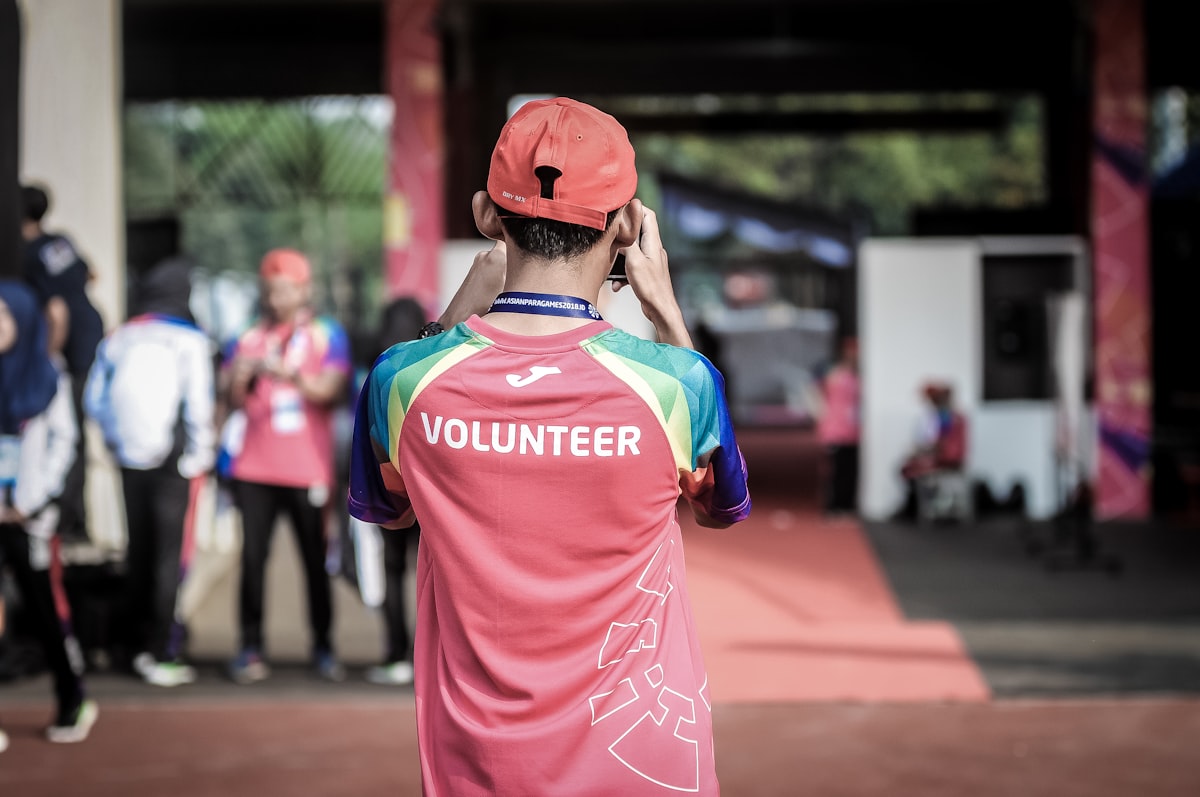
Volunteerism is often described in terms of selfless generosity, but the reality is both more nuanced and more encouraging. Decades of research across psychology, public health, organizational behavior, and community development have revealed that volunteer service produces substantial, measurable benefits for volunteers, the organizations they serve, and the communities they help build. Volunteers experience improved physical and mental health, expanded social networks, and enhanced professional skills. Organizations gain access to talent, fresh perspectives, and community connections that paid staff alone cannot provide. Communities benefit from the social capital, civic engagement, and collective problem-solving capacity that volunteer activity generates. Understanding the science behind these benefits is not merely an academic exercise; it provides the foundation for designing more effective volunteer programs, making stronger cases for institutional investment in volunteerism, and building cultures of service that can address the most pressing challenges facing communities today. At the Rissover Foundation, we support volunteer initiatives that are grounded in evidence and designed for impact, because we know that when volunteer programs are thoughtfully structured and well managed, the benefits ripple outward in ways that transform both individuals and communities.
Research on Volunteer Health Benefits
A growing body of scientific research has documented significant physical and mental health benefits associated with regular volunteer service, providing compelling evidence that giving back is good for the giver as well as the recipient.
Longitudinal studies tracking thousands of participants over many years have found that volunteers experience lower mortality rates compared to non-volunteers, even after controlling for age, health status, socioeconomic factors, and other variables that might explain the difference. The protective effect of volunteering on longevity appears to be comparable in magnitude to well-established health behaviors such as regular physical activity, suggesting that volunteer service is a meaningful contributor to long-term health.
Mental health benefits of volunteering include reduced rates of depression, lower anxiety levels, and greater life satisfaction among regular volunteers compared to non-volunteers. Research suggests that these benefits operate through multiple mechanisms including increased social connection, enhanced sense of purpose, improved self-esteem, and the mood-boosting effects of prosocial behavior. For older adults in particular, volunteering provides cognitive stimulation and social engagement that may help protect against cognitive decline.
Stress reduction associated with volunteer service has been documented through both self-report measures and physiological markers. Studies have found that volunteers exhibit lower cortisol levels and lower blood pressure compared to non-volunteers, and that the stress-buffering effects of volunteering are particularly pronounced for individuals experiencing significant life stressors such as bereavement, retirement, or chronic illness.
Physical health benefits extend beyond stress reduction to include better functional ability, greater physical activity, and lower rates of chronic disease among regular volunteers. While some of these associations may reflect the selection of healthier individuals into volunteer roles, experimental and quasi-experimental studies suggest that at least some of the physical health benefits are caused by volunteer activity rather than merely correlated with it.
The psychological concept of the helper’s high describes the positive emotional state that many volunteers experience during and after service activities, characterized by feelings of warmth, energy, and euphoria similar to those produced by physical exercise. Neuroscience research has linked these experiences to the release of endorphins and activation of brain reward systems, suggesting a biological basis for the emotional benefits of helping others.
Dose-response relationships in the research suggest that the health benefits of volunteering increase with moderate levels of service but may plateau or even decrease at very high levels, indicating that balance is important. Most studies find optimal benefits at approximately two to three hours of volunteer service per week, though the ideal amount may vary by individual and type of activity.
Social connection is perhaps the most important mechanism through which volunteering produces health benefits, as volunteer activities create opportunities for meaningful social interaction, relationship building, and community belonging that combat the isolation and loneliness increasingly recognized as major threats to public health.
Corporate Volunteerism
Corporate volunteer programs have become a significant component of the volunteerism landscape, with companies of all sizes investing in employee volunteer initiatives that serve both community and business objectives.
Employee volunteer programs range from simple policies that allow workers to use paid time for community service to comprehensive programs that include organized team projects, skills-based volunteering, international service trips, and matching gift programs. The most effective corporate volunteer programs align community service with both employee interests and business values, creating experiences that feel meaningful rather than mandatory.
Business benefits of corporate volunteerism include improved employee engagement and retention, as research consistently shows that employees who participate in company-sponsored volunteer programs report higher job satisfaction and stronger organizational commitment. In competitive labor markets, corporate volunteer programs serve as recruitment and retention tools that differentiate employers and signal organizational values that attract purpose-driven talent.
Team building through volunteer service creates shared experiences that strengthen workplace relationships, build trust, and improve communication among colleagues who may not interact closely in their regular work roles. Volunteer projects require collaboration, problem-solving, and communication in unfamiliar contexts, developing team dynamics that transfer back to the workplace.
Leadership development is an often-overlooked benefit of corporate volunteerism, as volunteer roles provide opportunities for employees to practice management, communication, project planning, and decision-making skills in lower-stakes environments. Emerging leaders who take on responsibility for volunteer projects gain experience that prepares them for greater responsibility within the organization.
Community reputation benefits accrue to companies that are seen as good corporate citizens, with corporate volunteerism contributing to brand perception, customer loyalty, and stakeholder relationships. These reputational benefits are strongest when corporate volunteer activities are authentic expressions of organizational values rather than superficial marketing exercises.
Measurement and accountability in corporate volunteer programs have become increasingly sophisticated, with companies tracking not only hours served and participation rates but also community impact, employee development outcomes, and return on investment. This data helps justify continued investment while identifying opportunities for program improvement.
Partnership with nonprofit organizations is essential for effective corporate volunteerism, as community organizations provide the expertise, relationships, and infrastructure needed to convert corporate volunteer energy into meaningful community impact. The best corporate volunteer programs are designed in collaboration with community partners rather than imposed upon them.
Pro bono service, in which companies donate the professional expertise of their employees to nonprofit organizations, represents a particularly high-impact form of corporate volunteerism that provides nonprofits with access to services they could not otherwise afford, including legal counsel, financial planning, marketing strategy, technology development, and management consulting.
Youth Volunteer Programs
Engaging young people in volunteer service creates lasting habits of civic participation while providing developmental benefits that support academic achievement, social growth, and career preparation.
Service learning integrates community service with academic curriculum, providing students with opportunities to apply classroom knowledge to real-world problems while developing critical thinking, collaboration, and communication skills. Well-designed service learning programs connect volunteer activities to learning objectives, include structured reflection, and engage students in addressing genuine community needs rather than simulated problems.
Developmental benefits of youth volunteering include enhanced self-esteem, increased empathy, stronger sense of civic responsibility, and development of practical skills that support both academic and career success. Research shows that young people who volunteer regularly perform better academically, are less likely to engage in risky behaviors, and demonstrate stronger social-emotional competencies compared to peers who do not volunteer.
Youth leadership through volunteerism provides young people with opportunities to plan projects, coordinate teams, communicate with diverse stakeholders, and take responsibility for outcomes in real-world contexts. These leadership experiences build confidence and competence that support success in education, careers, and civic life.
Diverse exposure through volunteer service introduces young people to communities, populations, and perspectives they might not encounter in their daily lives, building cultural awareness, empathy, and understanding that contribute to more inclusive attitudes and behaviors. Volunteer experiences that bring young people into contact with individuals from different backgrounds can challenge stereotypes and build bridges across social divides.
College and career preparation benefits include both the practical skills developed through service and the demonstrated civic commitment that colleges and employers increasingly value. Many college applications include questions about community service, and volunteer experience provides concrete examples of leadership, initiative, and social responsibility that strengthen applications and resumes.
Family volunteering creates shared service experiences that strengthen family bonds while modeling civic behavior for younger children. When families volunteer together, children see their parents modeling the values of generosity and community responsibility, establishing norms of service that are more likely to persist into adulthood.
School-based volunteer programs including student councils, peer tutoring, community service clubs, and organized service days create structured opportunities for young people to serve while building a school culture that values civic engagement. These programs work best when they offer genuine choice, meaningful responsibility, and opportunities for reflection.
Summer and gap-year service programs provide intensive volunteer experiences that can be transformative for young people, offering immersive exposure to community needs, diverse cultures, and challenging social issues. These programs must be designed carefully to ensure that they genuinely serve communities rather than primarily providing enrichment experiences for privileged young people.
Skills-Based Volunteering
Skills-based volunteering harnesses the professional expertise of volunteers to address specific organizational needs, creating high-impact service experiences that leverage what volunteers do best.
Professional expertise donated through skills-based volunteering provides nonprofit organizations with access to specialized knowledge and services that they typically cannot afford to purchase, including legal advice, accounting and financial management, information technology, marketing and communications, strategic planning, and human resources. This type of volunteering creates value that far exceeds what the same volunteer might contribute through general service activities.
Capacity building through skilled volunteerism strengthens nonprofit organizations by addressing systemic challenges rather than simply providing additional labor. A volunteer who helps a nonprofit develop a fundraising strategy, implement a database system, or design a program evaluation framework creates lasting organizational improvement that continues to generate value long after the volunteer engagement ends.
Project-based engagements structure skills-based volunteering around defined projects with clear objectives, timelines, and deliverables, creating accountability for both volunteers and organizations. Well-designed projects match volunteer expertise with organizational needs while setting realistic expectations about the scope of work and the time commitment required.
Talent matching platforms and intermediary organizations connect skilled volunteers with nonprofits that need their expertise, reducing the search costs and coordination challenges that can prevent skills-based volunteering from happening. These platforms often provide project scoping, volunteer screening, and engagement management services that increase the likelihood of successful outcomes.
Professional development benefits for skills-based volunteers include opportunities to apply their expertise in new contexts, develop cross-sector understanding, expand their professional networks, and build leadership skills. Many professionals find that skills-based volunteering reinvigorates their professional enthusiasm by connecting their work skills to social purpose.
Quality assurance in skills-based volunteering is essential because poor-quality professional advice can be more harmful than no advice at all. Effective programs screen volunteers for relevant expertise, provide orientation to the nonprofit context, and include feedback mechanisms that ensure the quality and relevance of volunteer contributions.
Ongoing advisory relationships that extend beyond single projects can provide nonprofits with sustained access to professional guidance, creating mentoring relationships between skilled volunteers and nonprofit leaders that develop organizational capacity over time. These relationships require commitment from both parties but can generate transformative value for under-resourced organizations.
Virtual Volunteering
The expansion of virtual volunteering has dramatically increased the accessibility and flexibility of service opportunities, enabling people to contribute their time and skills regardless of geographic location or physical mobility.
Online tutoring and mentoring connect volunteers with students, job seekers, and individuals in need of guidance through video conferencing, messaging platforms, and collaborative online tools. Virtual mentoring relationships can span geographic boundaries, connecting expertise in one community with needs in another while accommodating the scheduling flexibility that many potential volunteers require.
Digital content creation for nonprofit organizations includes writing, graphic design, video production, social media management, and website development that can be completed remotely. These activities leverage the digital skills that many potential volunteers possess while addressing the communication and marketing needs that many nonprofits struggle to meet with limited budgets.
Data analysis and research conducted remotely by volunteer analysts, researchers, and subject matter experts help nonprofit organizations understand their impact, identify trends, and make evidence-based decisions. Virtual volunteers with research skills can conduct literature reviews, analyze program data, compile grant research, and produce reports that inform organizational strategy.
Translation and interpretation services provided by multilingual volunteers help organizations serve diverse populations, translate materials into multiple languages, and communicate across cultural boundaries. Virtual translation work can be completed asynchronously, making it particularly accessible for volunteers with irregular schedules.
Crisis support and helpline volunteering has expanded significantly through virtual platforms, with trained volunteers providing emotional support, information, and referrals to individuals in crisis through phone, text, and chat services. Virtual crisis support enables organizations to recruit volunteers from broader geographic areas while providing service to individuals who may prefer the relative anonymity of remote communication.
Accessibility advantages of virtual volunteering are significant, as remote service opportunities remove transportation barriers, accommodate physical disabilities, and enable participation by individuals who cannot volunteer in person due to caregiving responsibilities, health conditions, or geographic isolation. Virtual volunteering has particularly expanded opportunities for people with disabilities, rural residents, and individuals with mobility limitations.
Technology requirements and digital equity considerations must be addressed to ensure that virtual volunteering is truly inclusive, as individuals without reliable internet access, appropriate devices, or digital literacy skills may be excluded from virtual service opportunities. Organizations that rely on virtual volunteers should consider providing technology support and training to ensure broad participation.
Volunteer Management Best Practices
Effective volunteer management transforms good intentions into meaningful impact, requiring organizational systems and leadership practices that attract, support, and retain dedicated volunteers.
Recruitment strategies must reach diverse potential volunteers through multiple channels including online platforms, community networks, faith organizations, educational institutions, and workplace partnerships. Effective recruitment communicates both the community impact and personal benefits of service while creating clear pathways for interested individuals to begin volunteering.
Screening and placement processes ensure that volunteers are matched with roles that suit their skills, interests, availability, and temperament, increasing both volunteer satisfaction and organizational benefit. Screening should include application review, interviews, reference checks for sensitive roles, and background checks when required by the nature of the volunteer assignment.
Orientation and training prepare volunteers for their roles by providing information about the organization’s mission, the populations served, relevant policies and procedures, and the specific skills needed for their assignments. Effective orientation creates realistic expectations while building the knowledge and confidence that volunteers need to serve effectively.
Supervision and support throughout the volunteer experience ensure that volunteers have the guidance they need to perform their roles well while feeling valued and connected to the organization’s mission. Regular check-ins, accessible supervisors, and peer support networks help volunteers navigate challenges and maintain their engagement over time.
Recognition and appreciation acknowledge volunteers’ contributions in ways that are meaningful and proportionate to their service. Recognition can take many forms including formal awards, personal notes of thanks, public acknowledgment, social events, and certificates of service. The most effective recognition is timely, specific, and personalized rather than generic.
Retention strategies address the factors that cause volunteers to disengage, including feeling underutilized, lack of meaningful connection to the mission, poor organizational communication, inadequate support, and burnout from excessive demands. Organizations that invest in retention enjoy more experienced and effective volunteer teams while spending less time and resources on continuous recruitment.
Risk management protects both volunteers and the organizations they serve by addressing liability, safety, confidentiality, and insurance considerations. Clear policies, appropriate training, adequate supervision, and proper insurance coverage create environments where volunteers can serve with confidence and organizations can benefit from volunteer contributions without undue risk.
Volunteer agreements that clearly define expectations, responsibilities, and boundaries help prevent misunderstandings while creating accountability structures that support both volunteer performance and organizational effectiveness. Written agreements need not be legalistic documents but should clearly communicate what is expected of both the volunteer and the organization.
Measuring Volunteer Impact
Demonstrating the impact of volunteer service is essential for program improvement, stakeholder accountability, and making the case for continued investment in volunteerism, yet measurement practices often fail to capture the full value of volunteer contributions.
Output measurement tracks the quantity of volunteer activity including hours served, number of volunteers engaged, services delivered, and populations reached. While output data provides a foundation for impact reporting, it tells only part of the story and can create perverse incentives if organizations prioritize hours over outcomes.
Outcome measurement examines the changes that result from volunteer activity, including improvements in client well-being, community conditions, and organizational capacity. Outcome measurement requires clear program theories that articulate how volunteer activities are expected to produce change, along with data collection systems that track whether expected changes actually occur.
Economic value estimation translates volunteer contributions into monetary terms, typically using the hourly value of volunteer time or the replacement cost methodology that estimates what organizations would need to pay for the services volunteers provide. While economic valuation has limitations, it provides a common metric that allows comparison across programs and helps quantify the economic contribution of volunteerism to communities.
Social return on investment analysis provides a more comprehensive framework for measuring impact by quantifying the social, environmental, and economic value created by volunteer programs relative to the resources invested. This approach attempts to capture the full range of benefits including improved health outcomes, reduced social service needs, and increased community cohesion.
Volunteer experience assessment evaluates the quality of the volunteer experience from the volunteer’s perspective, measuring satisfaction, perceived impact, skills development, social connection, and likelihood of continued service. Understanding the volunteer experience helps organizations improve their programs while identifying factors that support long-term engagement.
Community-level impact assessment examines how volunteerism affects broader community indicators including social capital, civic participation, neighborhood quality, and collective efficacy. These community-level effects are often the most significant but also the most difficult to measure, requiring longitudinal data and sophisticated analytical approaches.
Storytelling and qualitative documentation complement quantitative measures by capturing the human experiences and relational dynamics that numbers alone cannot convey. Personal narratives from volunteers, recipients of service, and organizational leaders provide rich evidence of impact while creating compelling communications that inspire continued participation and support.
Barriers to Volunteering
Understanding and addressing the barriers that prevent people from volunteering is essential for building a more inclusive and robust culture of service that draws on the full diversity of community talent and energy.
Time constraints represent the most commonly cited barrier to volunteering, as work schedules, family responsibilities, and competing demands leave many potential volunteers feeling that they cannot commit to regular service. Organizations can address time barriers by offering flexible scheduling, short-term projects, micro-volunteering opportunities, and virtual options that accommodate busy lives.
Transportation and geographic barriers prevent participation by individuals who lack reliable transportation or live far from service sites. Mobile service projects that bring volunteer activities into underserved neighborhoods, virtual volunteering options, and transportation assistance programs can help overcome geographic barriers.
Lack of awareness about volunteer opportunities prevents many potential volunteers from engaging, as they may not know what opportunities exist, how to find them, or how to get started. Centralized volunteer clearinghouses, community calendars, social media outreach, and partnerships with trusted community organizations can increase awareness and accessibility.
Perceived skill mismatches occur when potential volunteers believe they lack the skills needed to contribute meaningfully, or when organizations fail to communicate the range of roles available. Effective recruitment messages emphasize that all skill levels are welcome while clearly describing the specific activities involved in volunteer roles.
Health and disability barriers exclude individuals who want to volunteer but are prevented by physical limitations, chronic illness, or mental health challenges. Inclusive volunteer programs design roles that accommodate diverse abilities, provide necessary accommodations, and create welcoming environments for individuals with health concerns.
Cultural and language barriers can make volunteer environments feel unwelcoming to individuals from diverse cultural backgrounds, particularly when organizations lack diversity in their volunteer populations, leadership, and communications. Culturally responsive volunteer programs provide multilingual outreach, culturally appropriate activities, and inclusive organizational cultures that welcome volunteers from all backgrounds.
Economic barriers affect individuals who cannot afford to volunteer due to lost wages, childcare costs, transportation expenses, or other financial impacts of unpaid service. Stipended volunteer programs, expense reimbursement, childcare provision, and other financial supports can reduce economic barriers while recognizing that volunteering should not be accessible only to those with financial privilege.
Past negative experiences with volunteer programs can discourage future participation, particularly when volunteers felt unappreciated, poorly utilized, or disconnected from meaningful impact. Organizations that prioritize volunteer experience and address feedback constructively can rebuild trust and re-engage lapsed volunteers.
Building a Culture of Service
Creating lasting cultures of service requires more than individual volunteer programs; it demands systemic changes in how communities, institutions, and societies value and support civic engagement and mutual aid.
Civic education in schools and universities lays the groundwork for lifelong service by helping young people understand community needs, develop civic skills, and experience the rewards of contributing to something larger than themselves. Effective civic education goes beyond teaching about government to include active engagement with community issues and structured reflection on the responsibilities of citizenship.
Institutional commitments to service create environments where volunteering is normalized and supported, whether in workplaces that provide paid volunteer time, schools that integrate service into the curriculum, or faith communities that organize regular service projects. Institutional support signals that service is valued while removing practical barriers that might otherwise prevent participation.
Community infrastructure for volunteerism includes volunteer centers, service coordination organizations, and digital platforms that connect willing volunteers with community needs efficiently. This infrastructure reduces friction in the volunteer process while ensuring that community needs are matched with appropriate volunteer resources.
Policy support for volunteerism includes tax incentives for volunteer-related expenses, liability protections for volunteers and organizations, workplace policies that support employee volunteering, and public funding for volunteer coordination and management. Policy environments that support volunteering make it easier for individuals, organizations, and communities to invest in service.
Narrative and storytelling about service shape cultural attitudes toward volunteering by highlighting the impact and meaning of volunteer work. Communities that celebrate their volunteers, share stories of service impact, and publicly honor civic contributions create cultural norms that encourage participation and inspire new volunteers.
Intergenerational service creates opportunities for people of different ages to work together in service, building cross-generational understanding and relationship while transferring skills, knowledge, and civic values across age groups. Intergenerational programs counter age segregation while creating rich service experiences that benefit all participants.
Reciprocity and mutual aid models reframe volunteering as a mutual exchange rather than a one-directional charitable act, recognizing that everyone has something to contribute and everyone benefits from community connection. Mutual aid approaches build on the strengths of all community members while creating more equitable and sustainable service cultures.
The Rissover Foundation supports volunteerism because the evidence is clear: thoughtfully designed volunteer programs create measurable benefits for individuals, organizations, and communities while building the social infrastructure that healthy societies depend upon. The science of giving back tells us that volunteer service is not a luxury or a nice-to-have but a fundamental component of community well-being and individual flourishing.
Volunteerism at its best represents a profound expression of our interconnectedness, a recognition that our own well-being is inseparable from the well-being of our communities. The volunteer who tutors a child in reading and discovers a renewed sense of purpose, the company that sends a team to build homes and finds that team performance improves back at the office, and the neighborhood that organizes a community cleanup and finds that residents begin looking out for one another in new ways all demonstrate that service creates value that flows in every direction. When we invest in volunteer infrastructure, remove barriers to participation, and build cultures that celebrate giving back, we invest in the connective tissue that holds communities together and enables them to face their greatest challenges with collective strength and shared commitment.
Learn More
To learn more about volunteerism and the science of giving back, visit: