2026-03-09 Refugee Integration: Building Belonging in New Communities
Refugee Integration: Building Belonging in New Communities
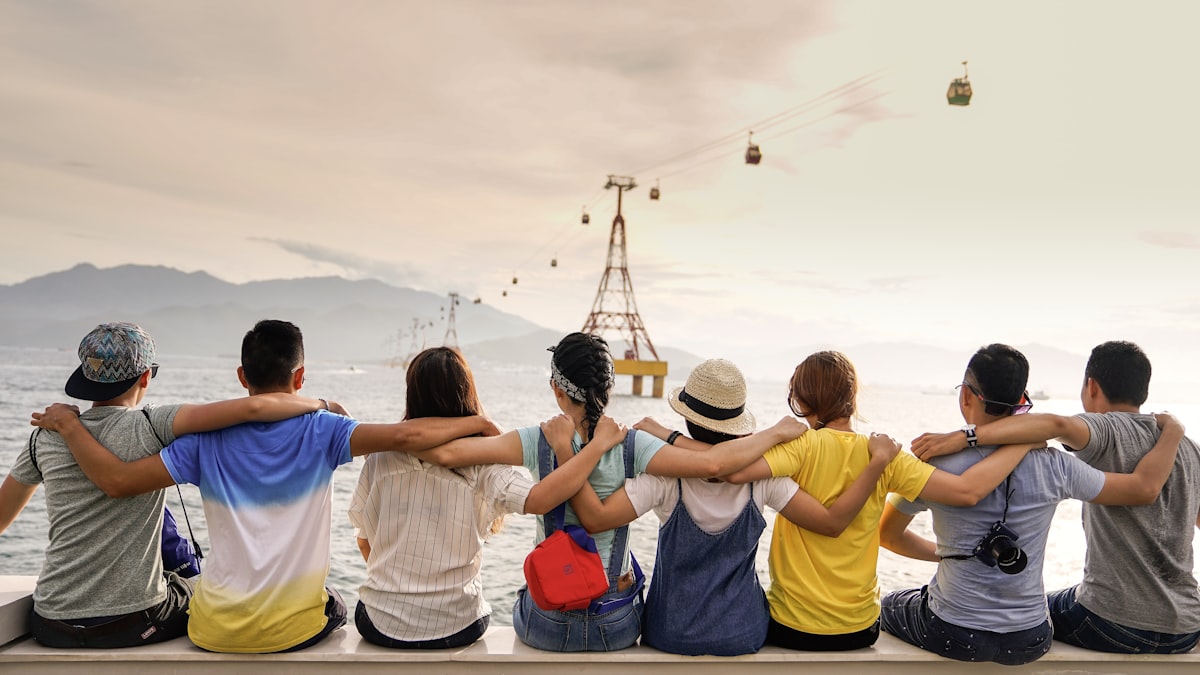
Across the globe, unprecedented numbers of people have been forced to flee their homes due to conflict, persecution, and disaster, creating one of the defining humanitarian challenges of our time. While the crisis of displacement rightly commands global attention, the equally important work of integration, helping refugees rebuild meaningful lives in new communities, often receives far less focus and support. Integration is not a single event but a long and multifaceted process through which displaced individuals and families develop the language skills, social connections, economic stability, and sense of belonging that enable them to participate fully in their new communities while maintaining the cultural identities and traditions that define who they are. Successful integration benefits everyone involved, as refugees bring skills, entrepreneurial energy, cultural diversity, and resilience that enrich host communities economically, socially, and culturally. At the Rissover Foundation, we support programs that approach refugee integration as a two-way process of mutual adaptation, recognizing that building belonging requires effort and openness from both newcomers and the communities that welcome them, and that the strongest communities are those that embrace diversity as a source of strength.
The Global Refugee Situation
The scale of forced displacement worldwide has reached historic levels, with tens of millions of people living as refugees outside their home countries and many more displaced within their own nations by conflict, violence, persecution, and increasingly by climate-related disasters and environmental degradation.
The majority of the world’s refugees are hosted by developing countries that neighbor conflict zones, placing enormous strain on communities and governments that often lack the resources to provide adequate services for their own populations, let alone for large influxes of displaced people seeking safety and stability.
Protracted refugee situations, where displacement extends for years or even decades, affect millions of people who find themselves in a limbo between their former lives and an uncertain future. These extended periods of displacement take a devastating toll on mental health, educational attainment, economic productivity, and hope.
Resettlement to third countries provides a durable solution for a small fraction of the global refugee population, offering the opportunity for permanent integration in countries with the capacity to support newcomers. However, resettlement places are far fewer than the number of refugees who need them, making the most of each resettlement opportunity all the more important.
Climate change is increasingly recognized as a driver of displacement, as rising seas, desertification, extreme weather events, and resource scarcity force communities to abandon their homes. The intersection of climate displacement with conflict and economic instability creates complex challenges that require innovative responses from the international community.
Urban displacement is a growing phenomenon, with many refugees settling in cities rather than camps, creating both opportunities for integration and challenges related to housing, employment, and access to services in urban environments that may already be struggling with their own resource constraints.
The political dimensions of refugee response affect integration outcomes profoundly. Public attitudes toward refugees, media narratives about displacement, and political leadership on immigration and integration policy all shape the environment into which refugees arrive and the support they receive as they work to rebuild their lives.
Resettlement Challenges and the Integration Journey
The first weeks and months after resettlement present an overwhelming array of challenges for refugee families who must simultaneously navigate new languages, unfamiliar systems, cultural differences, and the emotional weight of displacement while establishing the basic foundations of daily life in a new country.
Housing represents one of the most immediate and pressing challenges, as refugee families must quickly find affordable and suitable accommodation in housing markets that may be tight, expensive, and unfamiliar. The quality and location of initial housing significantly affects integration outcomes by determining access to employment, schools, services, and social networks.
Language barriers pervade virtually every aspect of the integration experience, from grocery shopping and medical appointments to job applications and parent-teacher conferences. The inability to communicate effectively in the language of the host community creates dependency, isolation, and frustration that can impede integration across all other domains.
Cultural adjustment involves navigating differences in social norms, communication styles, family roles, religious practices, food systems, and countless other aspects of daily life that are often taken for granted by people who have always lived in their own cultural context. This adjustment process can be disorienting and emotionally exhausting.
Credential recognition and skills transfer present significant barriers for refugees who held professional positions in their home countries but whose qualifications are not recognized in their new country. Doctors, engineers, teachers, and other professionals may find themselves unable to practice their professions, leading to underemployment and loss of professional identity.
Financial literacy and navigation of banking, credit, insurance, and tax systems require knowledge and skills that refugees may not possess. Understanding how financial systems work in a new country is essential for economic stability but can be bewildering for people accustomed to very different economic structures.
Bureaucratic navigation through immigration systems, benefit programs, healthcare enrollment, school registration, and other administrative processes requires literacy, language proficiency, and institutional knowledge that most newcomers lack. The complexity of these systems can overwhelm even well-educated refugees.
The cumulative effect of facing so many challenges simultaneously cannot be overstated. Integration requires enormous resilience and resourcefulness from refugee families, and the pace and success of integration depend heavily on the quality and accessibility of support services available to them during this critical period.
Language and Cultural Programs
Language acquisition is widely recognized as the single most important factor in successful refugee integration, providing the foundation for employment, social participation, educational advancement, and civic engagement in the host community.
Intensive language programs that offer daily instruction with a focus on practical communication skills help newly arrived refugees develop the language competency they need for immediate priorities such as navigating public transportation, communicating with healthcare providers, and enrolling children in school.
Workplace-integrated language learning combines language instruction with vocational training and on-the-job experience, enabling refugees to develop language skills in context while building employment-relevant competencies. This approach accelerates both language acquisition and labor market integration.
Conversation partners and language exchange programs pair refugees with community volunteers for regular informal conversation practice that builds fluency, confidence, and social connections. These relationships often develop into genuine friendships that extend beyond language learning into broader community engagement.
Cultural orientation programs help refugees understand the social norms, institutional structures, legal rights, and cultural expectations of their new communities. Effective orientation goes beyond surface-level cultural information to address practical questions about daily life, workplace culture, educational systems, and civic participation.
Heritage language and cultural maintenance programs support refugee families in preserving their native languages and cultural traditions while adapting to life in a new country. Bilingualism and biculturalism are assets that benefit both individuals and communities, and integration programs should encourage cultural preservation alongside adaptation.
Interpreter and translation services bridge communication gaps during the integration period, ensuring that refugees can access essential services, understand their rights and responsibilities, and participate in decision-making processes that affect their lives. Professional interpretation is essential for medical, legal, and educational settings where miscommunication can have serious consequences.
Digital language learning tools and platforms supplement formal instruction by providing flexible, self-paced learning opportunities that refugees can access outside of classroom settings. Mobile-based learning is particularly valuable for refugees who face barriers to attending scheduled classes due to work, childcare, or transportation challenges.
Employment Pathways and Economic Integration
Economic self-sufficiency through meaningful employment is a central goal of refugee integration that provides financial stability, social connection, professional identity, and a sense of purpose and contribution in the host community.
Job readiness programs prepare refugees for the labor market by teaching job search strategies, resume writing, interview skills, and workplace culture expectations that may differ significantly from what they experienced in their home countries. These programs help bridge the gap between refugee skills and employer expectations.
Skills assessment and credential evaluation services help refugees document and validate their existing qualifications, work experience, and professional competencies. Where credentials from home countries are not directly transferable, these assessments identify pathways to re-certification or alternative career options that build on existing skills.
Employer engagement and education programs work with local businesses to build awareness of the benefits of hiring refugees, address concerns about language barriers or cultural differences, and create welcoming workplace environments that support refugee employees in succeeding and advancing.
Entrepreneurship support for refugees recognizes that many displaced individuals come from entrepreneurial backgrounds and possess the drive and creativity to start businesses in their new communities. Small business development programs that provide training, mentorship, microloans, and market access enable refugee entrepreneurs to create their own economic opportunities.
Professional mentorship programs connect refugees with established professionals in their fields who can provide guidance, networking opportunities, and support for career development. These relationships help refugees navigate professional cultures, build industry contacts, and identify advancement opportunities.
Occupational licensing and regulatory barriers present significant challenges for refugees with professional backgrounds in fields such as healthcare, law, engineering, and education. Advocacy for licensing reform and bridge training programs that help foreign-trained professionals meet local requirements are important components of economic integration support.
Workplace rights education ensures that refugee workers understand labor protections, health and safety regulations, anti-discrimination laws, and their rights as employees. This knowledge protects refugees from exploitation and empowers them to advocate for fair treatment in the workplace.
Agricultural and food enterprise programs leverage the agricultural knowledge and culinary traditions that many refugees bring from their home countries, creating opportunities for farming, food production, catering, and restaurant enterprises that also introduce host communities to new cuisines and cultural experiences.
Education Access for Children and Adults
Access to quality education is essential for refugee integration across generations, providing children with the academic foundation they need for future success while offering adults pathways to language proficiency, credentials, and career advancement.
School enrollment and orientation processes must be designed to welcome refugee children and families who may be unfamiliar with the educational system, intimidated by institutional settings, or struggling with language barriers that make communication with school staff difficult. Welcoming school environments set the foundation for educational success.
English language learner programs within schools provide the specialized instruction that refugee children need to develop academic language proficiency while keeping pace with grade-level content. Effective programs balance language development with content learning so that students do not fall behind academically while they are acquiring language skills.
Trauma-informed educational practices recognize that many refugee children have experienced violence, loss, displacement, and disruption that affect their ability to learn, concentrate, and regulate emotions in school settings. Teachers and school staff trained in trauma-informed approaches create safer and more supportive learning environments for these students.
Early childhood education programs for refugee families address the critical developmental period when children are most receptive to language acquisition and social-emotional development. Access to quality early childhood programs gives refugee children a strong start in their new educational environment while providing parents with support and connection.
Adult education and continuing learning opportunities enable refugee adults to pursue academic credentials, professional development, and personal enrichment that support their integration goals. Community colleges, adult education centers, and nonprofit organizations play vital roles in providing accessible and affordable learning opportunities.
Higher education access for refugee students requires financial support, admissions pathways, and campus support services that address the unique challenges displaced students face. Scholarship programs, bridge courses, and dedicated advising help refugee students pursue and complete postsecondary education.
Parent engagement in education is essential for refugee children’s academic success but can be challenging when parents face language barriers, unfamiliarity with the educational system, and cultural differences in expectations around parent-school interaction. Programs that reach out to refugee parents and create welcoming entry points for engagement support both children and families.
Supplementary educational programs including after-school tutoring, homework help, summer learning opportunities, and enrichment activities fill gaps in formal education while providing refugee children with additional support, social connection, and developmental experiences in safe and structured environments.
Mental Health Support and Healing
The psychological impact of forced displacement, which often includes exposure to violence, loss of loved ones, prolonged uncertainty, and the stress of adaptation, creates significant mental health needs among refugee populations that must be addressed as part of comprehensive integration support.
Trauma-informed care approaches recognize that many refugees have experienced events that can lead to post-traumatic stress, depression, anxiety, and other mental health conditions. Service providers across all sectors, not just mental health specialists, benefit from understanding how trauma affects behavior, learning, and relationships.
Culturally responsive mental health services address the reality that concepts of mental health, illness, and healing vary across cultures. Effective mental health support for refugees must be delivered in ways that respect cultural frameworks while providing evidence-based treatment for conditions that cause suffering and impair functioning.
Community-based psychosocial support programs provide mental health promotion and prevention services through community activities, support groups, and peer networks that reduce isolation and build social connections. These programs are often more accessible and less stigmatizing than clinical mental health services for refugee populations.
Art therapy, music therapy, and creative expression programs provide nonverbal pathways for processing traumatic experiences and expressing emotions that may be difficult to articulate in words, particularly for refugees who are communicating in a language they are still learning.
Children and adolescents who have experienced displacement require developmentally appropriate mental health support that addresses their unique needs and vulnerabilities. School-based counseling, play therapy, and peer support programs help young refugees process their experiences and develop healthy coping strategies.
Addressing the mental health needs of refugee families holistically recognizes that individual well-being is deeply connected to family functioning. Family therapy and parenting support programs that account for the stresses of displacement and cultural transition help families maintain healthy relationships during the challenging integration period.
Training community health workers and cultural brokers from refugee communities to provide basic mental health support and referral extends the reach of mental health services while ensuring cultural competency. These trusted community members can bridge gaps between formal services and refugee populations who might not otherwise seek help.
Community Sponsorship Models
Community sponsorship programs represent an innovative approach to refugee resettlement that mobilizes the resources and goodwill of local communities by engaging groups of private citizens in directly supporting refugee families through the integration process.
Private sponsorship models, pioneered in Canada and increasingly adopted in other countries, enable groups of community members to commit to providing financial support, housing assistance, and social accompaniment for refugee families during their initial period of resettlement. These programs supplement government resettlement efforts while building community engagement.
The preparation process for sponsorship groups typically involves training, fundraising, housing procurement, and community orientation that builds the capacity of sponsors to provide effective support while ensuring accountability and quality in the resettlement experience for refugee families.
The relationship between sponsors and refugee families often develops into genuine friendship and mutual learning that extends well beyond the formal sponsorship period. Sponsors gain firsthand understanding of the refugee experience while refugees develop trusted relationships with community members who can help them navigate life in their new home.
Faith-based sponsorship brings congregations together around the shared mission of welcoming newcomers, creating a practical expression of religious values of hospitality and compassion while providing organizational infrastructure for mobilizing volunteers, raising funds, and coordinating support services.
Co-sponsorship models, where community groups partner with established resettlement agencies, combine the personal connection and community engagement of private sponsorship with the professional expertise and institutional resources of experienced service providers. These partnerships leverage the strengths of both approaches.
The scalability of community sponsorship has been demonstrated as programs have expanded to engage hundreds and thousands of sponsorship groups, showing that community appetite for direct involvement in refugee resettlement is substantial when pathways for participation are well-designed and accessible.
Evaluation of sponsorship outcomes consistently shows that sponsored refugees achieve integration milestones, including language proficiency, employment, and social connection, at rates equal to or exceeding those of refugees resettled through traditional government-managed programs, demonstrating the effectiveness of community-based approaches.
Mutual Aid Networks and Community Building
Refugee-led organizations and mutual aid networks play essential but often underrecognized roles in integration by providing peer support, cultural connection, practical assistance, and community advocacy that formal service systems cannot replicate.
Ethnic community organizations serve as cultural anchors for newly arrived refugees, providing familiar language, food, social norms, and community connections that ease the shock of displacement while creating bridges to the broader host community through cultural events, interfaith dialogue, and community partnerships.
Peer mentorship programs match recently resettled refugees with members of their community who have been through the integration process themselves and can provide guidance, encouragement, and practical advice based on firsthand experience. These peer mentors understand the challenges of integration in ways that service providers from the host community may not.
Community gathering spaces, whether formal community centers or informal meeting places such as cafes, places of worship, or shared gardens, provide essential venues for social connection, mutual support, and community organizing among refugee populations.
Cooperative economic models enable refugees to pool resources and share risks through initiatives such as rotating savings and credit associations, cooperative businesses, shared childcare arrangements, and group purchasing programs that address economic needs while building social capital and collective capacity.
Youth-led integration initiatives harness the energy, bilingual abilities, and bicultural competencies of young refugees who often serve as cultural interpreters and bridge builders between their families and the host community. Supporting refugee youth leadership develops future community leaders while leveraging their unique strengths.
Digital communities and social media networks connect displaced populations across geographic distances, maintaining cultural connections and providing platforms for information sharing, mutual support, and collective advocacy that supplement face-to-face community building.
Coalition building between refugee communities and other marginalized groups creates solidarity networks that amplify shared concerns and build collective power for addressing systemic issues such as housing affordability, workplace exploitation, and discrimination that affect multiple communities.
Anti-Discrimination Efforts and Social Inclusion
Combating discrimination and xenophobia is essential for creating the welcoming social environment that refugees need to successfully integrate, and it requires sustained effort from institutions, communities, and individuals committed to equity and inclusion.
Public education campaigns that share refugee stories, highlight refugee contributions, and challenge stereotypes and misinformation help shape positive public attitudes toward newcomers. These campaigns are most effective when they feature refugee voices and authentic narratives rather than pity-based messaging.
Media engagement and responsible reporting on refugee issues influence public perception significantly. Supporting journalists in producing accurate, nuanced, and humanizing coverage of refugee experiences counters sensationalist narratives that fuel fear and hostility toward displaced populations.
Anti-discrimination legal protections and enforcement mechanisms provide essential safeguards for refugees who may face discrimination in housing, employment, education, and public services based on their national origin, race, religion, or immigration status. Awareness of legal rights and access to legal remedies are critical for ensuring these protections are meaningful.
Workplace diversity and inclusion initiatives that specifically address the experiences of refugee employees help create organizational cultures where newcomers feel valued and respected. Training for supervisors and coworkers in cultural competency and inclusive communication supports positive workplace integration.
School-based anti-bullying and inclusion programs protect refugee children from harassment while building understanding and empathy among all students. These programs benefit entire school communities by fostering environments of respect and inclusion that support learning for everyone.
Interfaith and intercultural dialogue initiatives bring together people from different backgrounds for meaningful exchange that builds mutual understanding and breaks down the social barriers that can isolate refugee communities from their neighbors. These encounters create personal connections that challenge prejudice and build solidarity.
Community policing and trust-building between law enforcement and refugee populations address the fear and mistrust that many refugees carry from experiences with authorities in their home countries or during displacement. Positive interactions with local police build confidence in the justice system and encourage refugees to report crimes and seek help when needed.
Celebrating refugee contributions to host communities through cultural festivals, business spotlights, volunteer recognition, and civic engagement events reinforces the message that refugees are assets to their new communities and that integration enriches everyone involved.
The Path Forward
Building truly welcoming communities that support refugee integration requires a comprehensive approach that addresses the interconnected challenges of language, employment, education, mental health, social inclusion, and civic participation through coordinated efforts across sectors and levels of government.
National integration policies must provide adequate funding, clear guidelines, and flexible frameworks that enable local communities and service providers to deliver effective integration support tailored to the needs of their specific refugee populations and community contexts.
Local government leadership on integration creates the conditions for success by coordinating services, engaging diverse stakeholders, investing in infrastructure, and setting a tone of welcome and inclusion that shapes community responses to newcomers.
Longer-term investment in integration services recognizes that meaningful integration takes years, not months, and that the initial resettlement period represents only the beginning of a process that requires sustained support, particularly for refugees with complex needs related to trauma, limited prior education, or large family responsibilities.
Refugee participation in decision-making about programs and policies that affect them ensures that integration services are responsive to actual needs and priorities rather than assumptions made by service providers. Nothing about refugees should be decided without their meaningful input and involvement.
Research and evaluation of integration outcomes must be strengthened to identify effective practices, measure progress, and build the evidence base for investment in integration programming. Longitudinal studies that track integration trajectories over years and generations provide the most valuable insights for improving practice and policy.
The Rissover Foundation supports refugee integration because we believe that every person forced to flee their home deserves the opportunity to rebuild a life of dignity, purpose, and belonging. We invest in programs that recognize integration as a two-way process where both newcomers and host communities grow and are enriched through the encounter.
The family that learns a new language while teaching their neighbors to cook their grandmother’s recipes, the entrepreneur who opens a business that fills a gap in the local economy, the child who bridges two cultures with the ease of youth, and the community that discovers its own generosity through the act of welcome all demonstrate that integration, when done well, creates something greater than either newcomers or host communities could achieve alone. When we build belonging, we build stronger communities for everyone.
Learn More
To learn more about refugee integration and community support, visit: